
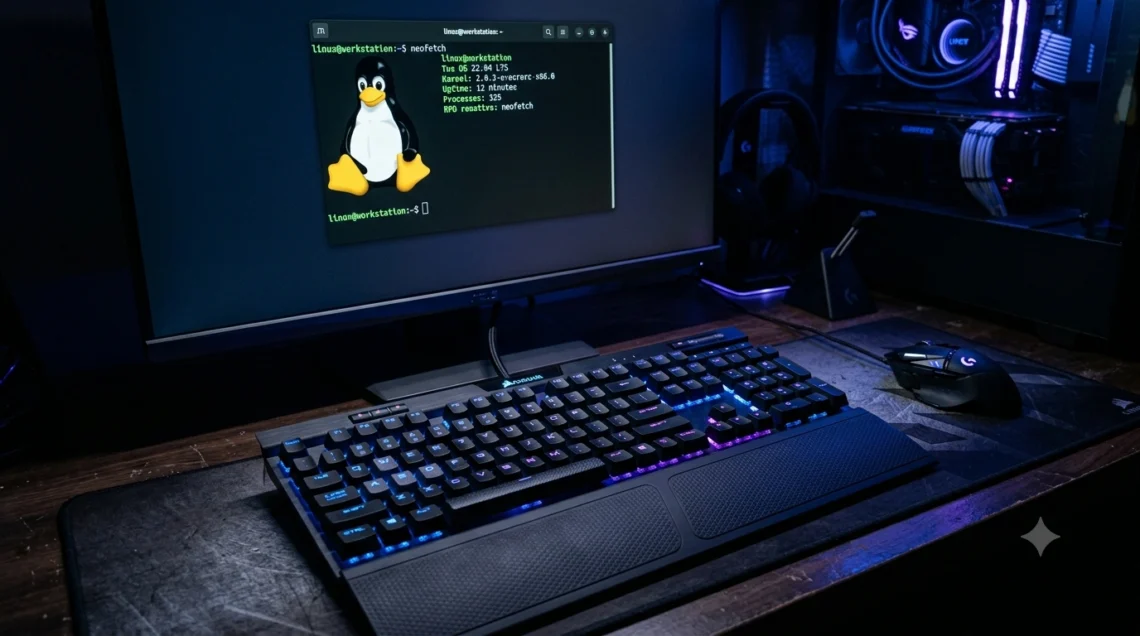
Linux gaming in 2026 looks nothing like it did five years ago. Tools like Steam Proton, Vulkan, GameMode, and DXVK have closed the gap between Linux and Windows gaming performance to a point where many competitive players now run their entire setup on Linux — not as a compromise, but as a deliberate choice.
Tech hacks PBLinuxGaming sits at the center of that conversation. Whether you are a complete beginner trying to run your first Windows game on Linux or an experienced player looking to squeeze every frame out of your hardware, the practical optimization methods covered in this guide apply directly to how your system performs today. This is not a theory. Every section covers specific actions, specific tools, and specific settings that produce measurable improvements in frame rate, stability, and compatibility across modern Linux gaming setups.
Tech Hacks PBLinuxGaming — Complete 2026 Linux Gaming Optimization Guide
What Is PBLinuxGaming?
PBLinuxGaming is a performance-based Linux gaming approach and community resource focused on helping players run modern games on Linux with the same reliability and performance they would expect from a Windows setup.
The name combines two ideas: PB, referring to personal best — the competitive gaming concept of achieving your highest performance — and Linux Gaming, the specific platform and ecosystem the optimization methods target. Together, Tech hacks PBLinuxGaming describes the practice of pushing Linux gaming performance to its personal best through deliberate system configuration rather than hardware upgrades.
<cite index=”21-1″>Tech Hacks PBLinuxGaming is not about cheating in games or using unfair tricks. It is about improving your Linux gaming setup through smart system changes, better software choices, driver updates, and performance-friendly settings.</cite>
The tech hacks PBLinuxGaming approach covers several distinct optimization layers — kernel configuration, GPU driver setup, compatibility layer tuning, audio system optimization, controller configuration, and distro selection. Each layer contributes independently and compounds with the others when configured correctly.
Choosing the Right Linux Distro for Gaming
The distro you run shapes everything that follows. Not all Linux distributions handle gaming hardware, driver updates, and compatibility tools equally — and starting on the wrong one creates friction that no amount of subsequent optimization fully resolves.
Top distro picks for tech hacks PBLinuxGaming in 2026
Pop!_OS by System76 combines NVIDIA driver integration, a clean GNOME desktop, and automatic gaming tool support into one of the most gaming-ready out-of-the-box Linux experiences available. The automatic NVIDIA driver installation during setup alone saves new Linux gamers hours of troubleshooting.
Nobara Linux is a Fedora-based distribution specifically built around gaming performance. It ships with patched kernels, pre-installed gaming tools, and optimizations that most mainstream distros require manual configuration to achieve. For players who want maximum gaming readiness from first boot, Nobara is the strongest current option.
Ubuntu 24.04 LTS suits players who prioritize stability and long-term support over bleeding-edge performance. The large community means solutions to common gaming problems are widely documented and easy to find.
Arch Linux and EndeavourOS suit experienced Linux users who want complete control over every component of their system. The rolling release model keeps drivers and tools current at the cost of requiring more active system maintenance.
Manjaro sits between Arch and beginner-friendly distributions — access to Arch’s software repositories with a more managed update process that reduces the risk of system-breaking updates.
Starting on a gaming-optimized distro like Pop!_OS or Nobara removes the biggest barrier between a fresh Linux install and a functional gaming setup. <cite index=”16-1″>PBLinuxGaming Tech Hacks represent a structured approach to improving gaming performance on Linux systems through system optimization, driver enhancement, and compatibility layer configuration.</cite>
GPU Drivers — The Foundation Everything Else Builds On
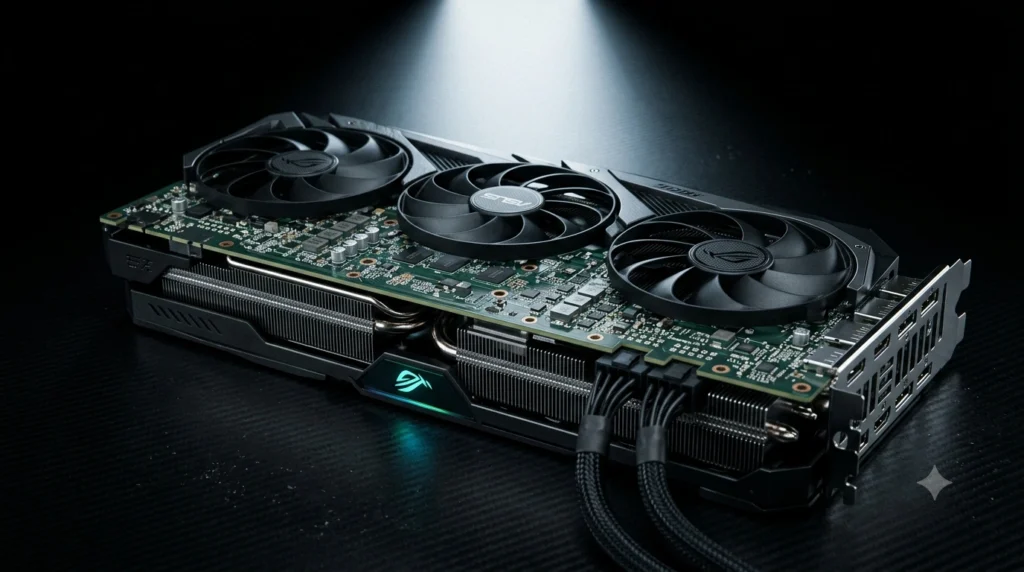
No optimization elsewhere in the tech hacks PBLinuxGaming stack compensates for incorrectly installed or outdated GPU drivers. This step comes before everything else.
NVIDIA on Linux NVIDIA proprietary drivers on Linux require careful version selection. The correct driver for your card generation must be installed — not the most recent driver available, but the one verified compatible with your specific GPU.
On Ubuntu and Pop!_OS, the Additional Drivers utility shows available proprietary NVIDIA options and handles installation automatically. On Arch-based systems, the nvidia package from the official repository covers most current GPU generations.
After installation, verify the driver is active:
nvidia-smiThis command should return your GPU model, driver version, and current memory usage. If it returns an error, the driver installation did not complete correctly.
AMD on Linux AMD GPU support on Linux runs through the open-source amdgpu kernel driver, which ships with the Linux kernel itself. Most AMD cards from the RX 400 series onward work without any additional installation beyond ensuring your kernel is current.
The mesa package provides the user-space component of AMD graphics on Linux. Keeping mesa updated produces consistent performance improvements — AMD’s Linux driver development is active and each mesa release typically improves performance on existing hardware.
glxinfo | grep "OpenGL renderer"This command confirms which GPU your system is using for rendering — useful for verifying the correct GPU is active on systems with both integrated and discrete graphics.
Steam Proton Setup and Optimization
<cite index=”16-1″>Steam Proton is one of the most important components of modern Linux gaming. It runs Windows games on Linux by converting Windows system calls so Linux can understand them. Picking the right Proton version for each game makes a real difference in how well it runs. Some games perform better with experimental builds, while others require stable releases.</cite>
Enabling Proton in Steam Open Steam, go to Settings, then Steam Play, and enable Steam Play for all titles. This activates Proton for Windows games in your library. The default Proton version handles most titles — but specific games run better on specific Proton versions.
ProtonDB — Check Before You Buy ProtonDB at protondb.com aggregates real user reports on how well specific games run under Proton on Linux. Before purchasing any Windows-exclusive title, checking its ProtonDB page shows the current community consensus on Linux compatibility, required launch options, and which Proton version produces the best results.
Reports are rated Gold, Silver, Bronze, or Platinum based on how well the game runs out of the box. Platinum means it runs perfectly with no configuration. Gold means it runs well with minor tweaks. Silver and Bronze indicate varying levels of additional configuration or performance limitations.
Proton-GE — Community-Enhanced Proton Proton-GE is a community-maintained fork of Proton that incorporates patches and improvements before they reach the official Valve release. Many games that show limited compatibility on standard Proton run significantly better under Proton-GE.
Install ProtonUp-Qt to manage Proton-GE versions alongside standard Proton builds. This tool handles downloads, installation, and version management without requiring manual file placement.
GameMode and CPU Performance Optimization
GameMode is a Linux daemon developed by Feral Interactive that applies system-level optimizations automatically when a game launches and reverts them when the game closes.
The core optimization GameMode applies is switching the CPU governor from the default powersave or schedutil mode to performance mode. This change tells the CPU to run at maximum frequency rather than scaling down during perceived idle periods — a critical difference in gaming scenarios where brief load spikes would otherwise cause the CPU to be running below its capable frequency at exactly the moment peak performance is needed.
Installing GameMode:
sudo apt install gamemode # Ubuntu/Debiansudo pacman -S gamemode # Arch/Manjarosudo dnf install gamemode # Fedora/NobaraUsing GameMode with Steam: Add this launch option to any Steam game by right-clicking the title, selecting Properties, and entering in the Launch Options field:
gamemoderun %command%GameMode also applies additional optimizations including I/O priority adjustment for the game process, GPU performance mode enabling on supported hardware, and kernel scheduler hints that prioritize the game thread over background processes.
The performance improvement from GameMode varies by game and hardware but is most noticeable on systems where background tasks previously competed with games for CPU resources. Frame rate stability — consistent frame times rather than peaks and drops — improves more than raw maximum FPS in most cases.
Vulkan and DXVK Optimization
Vulkan is the modern graphics API that underlies most of Linux gaming’s performance advantages over the older OpenGL API. <cite index=”18-1″>Linux gaming is evolving rapidly with continuous improvements in Vulkan, Proton, and hardware support. As more developers embrace cross-platform technologies, Linux is expected to become a mainstream gaming platform with competitive performance and broader compatibility.</cite>
DXVK translates DirectX 9, 10, and 11 calls into Vulkan — enabling Windows games that use these older DirectX versions to run on Linux with near-native performance. Proton includes DXVK automatically, but understanding how it works helps diagnose compatibility issues when they arise.
VKD3D-Proton handles DirectX 12 translation to Vulkan. Most modern AAA titles that require DirectX 12 on Windows use VKD3D-Proton when running through Proton on Linux. Performance with VKD3D-Proton has improved dramatically through 2025 and 2026 — titles that previously showed significant performance gaps versus Windows now run within a few percent of Windows performance on equivalent hardware.
Shader Pre-Compilation The first time a game runs through Proton, it compiles shaders for your specific GPU. This process causes stuttering during initial gameplay as new shader combinations are encountered. Subsequent sessions are smooth once the shader cache is populated.
This is normal behavior rather than a performance problem — the stuttering resolves after the first few hours of gameplay as the shader cache fills. Steam Deck users may notice this less because Valve pre-compiles shaders for the Deck’s hardware before distribution.
Audio Optimization — Fixing Linux Sound Issues
Audio problems on Linux gaming setups fall into two categories: latency and glitching. Both have the same solution in 2026.
PipeWire replaces PulseAudio <cite index=”21-1″>Tech Hacks PBLinuxGaming is a set of smart, practical methods to improve your Linux gaming experience.</cite> Among those methods, switching from PulseAudio to PipeWire is the single most impactful audio change for gaming.
PipeWire is a modern audio server that handles both PulseAudio and JACK use cases within a single unified system. For gaming, its advantages over PulseAudio include lower latency, better handling of multiple simultaneous audio streams, and improved compatibility with audio-intensive games that previously caused crackling, popping, or synchronization issues.
Most current Linux distributions ship with PipeWire as the default — check which system is running with:
pactl info | grep "Server Name"If PulseAudio is shown, switching to PipeWire on Ubuntu-based systems:
sudo apt install pipewire pipewire-pulse wireplumbersystemctl --user --now enable wireplumberAlways back up your audio configuration before making changes. You can switch back if needed but expect a short gap where sound stops working while the change takes effect.
MangoHud — Monitor Performance in Real Time
MangoHud is an overlay tool that displays real-time performance metrics during gameplay — frame rate, frame time, GPU and CPU usage, temperatures, and memory consumption — in a customizable overlay that appears within the game window.
For tech hacks PBLinuxGaming optimization work, MangoHud is essential. It removes guesswork from performance analysis. Instead of perceiving that a game feels slow, MangoHud shows exactly which component is bottlenecking the frame rate and whether the issue is CPU-bound, GPU-bound, or memory-related.
Installing MangoHud:
sudo apt install mangohud # Ubuntu/Debiansudo pacman -S mangohud # Arch/Manjarosudo dnf install mangohud # Fedora/NobaraEnabling MangoHud with Steam:
MANGOHUD=1 %command%Add this as a Steam launch option to enable the overlay for specific titles.
MangoHud’s configuration file at ~/.config/MangoHud/MangoHud.conf controls which metrics display and where the overlay appears on screen. A minimal configuration showing FPS and frame time provides the most useful information without cluttering the game view.
Controller Support on Linux
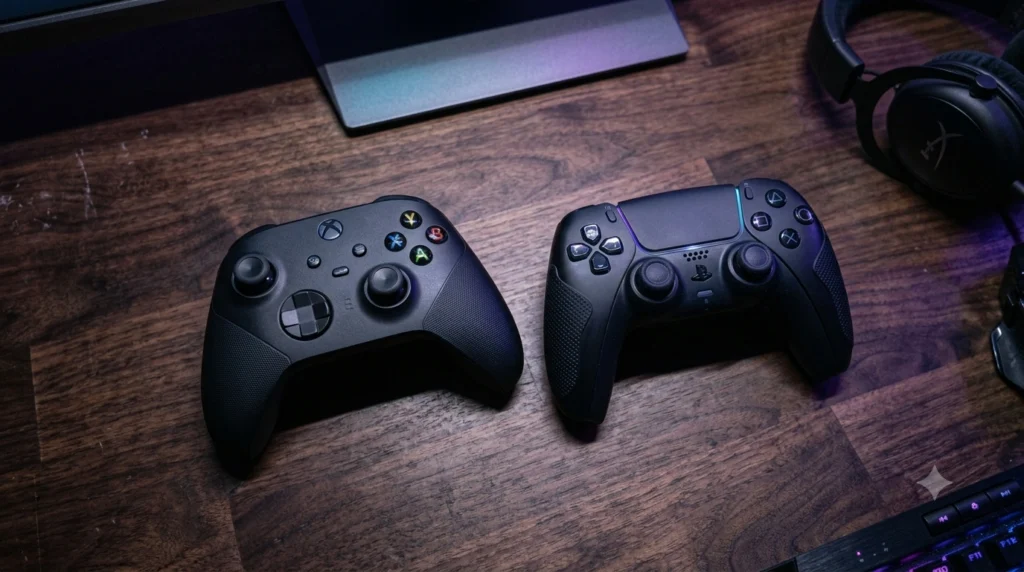
Controller support on Linux in 2026 works significantly better than its historical reputation suggests. Most modern controllers connect and function without any configuration.
Xbox Controllers Microsoft Xbox controllers — both wired and wireless — work on Linux through the xpad kernel module that ships with the Linux kernel. Wired connection is plug-and-play. Wireless connection through the Xbox Wireless Adapter requires the xow or xboxdrv driver depending on your adapter generation.
PlayStation Controllers Sony DualSense and DualShock 4 controllers connect via USB without any additional configuration. Bluetooth connection requires pairing through your desktop’s Bluetooth manager. The ds4drv tool handles advanced DualShock 4 features on systems where the default driver does not expose all controller functions.
Steam Input Steam’s built-in controller configuration system — Steam Input — provides the most comprehensive controller management for gaming on Linux. It handles button remapping, analog stick calibration, gyroscope input for supported controllers, and profile switching between different games.
For controllers that Steam does not recognize natively, the SC Controller application provides similar functionality outside the Steam environment.
Frequently Asked Questions
What are tech hacks PBLinuxGaming and who are they for?
Tech hacks PBLinuxGaming are practical system optimization methods for improving gaming performance on Linux. They cover GPU driver installation, Steam Proton configuration, CPU performance optimization through GameMode, Vulkan and DXVK tuning, audio system setup, and controller configuration. They suit anyone running games on Linux — from complete beginners setting up their first Linux gaming system to experienced players looking to close performance gaps versus Windows setups on the same hardware.
Which Linux distro works best for gaming?
For beginners, Pop!_OS and Nobara Linux provide the strongest gaming-ready out-of-the-box experience — both include pre-configured GPU drivers, gaming tools, and optimized kernels without requiring manual setup. Ubuntu works well for players who prioritize stability and community support. Arch Linux and Manjaro suit experienced users who want complete system control and access to the latest software versions.
Can Windows games run on Linux through Proton?
Yes. Steam Proton runs the majority of Windows games on Linux by translating Windows system calls into Linux-compatible equivalents. Compatibility varies by title — checking ProtonDB before purchasing a specific game shows current community-reported compatibility ratings and any required configuration. Most major titles released in the past five years show Gold or Platinum ratings on ProtonDB, meaning they run well to perfectly on Linux through Proton.
How much performance improvement does GameMode provide?
GameMode improvements vary by system and game. The biggest gains appear on systems where background processes previously competed with games for CPU resources — switching to performance governor and applying GameMode’s scheduling optimizations can improve frame rate stability significantly in these cases. Raw maximum FPS gains are typically smaller than stability improvements. Systems already configured for performance governor see less additional benefit from GameMode but still gain from its I/O priority and GPU performance mode optimizations.
What should I do if a game stutters only during the first few hours on Linux?
First-session stuttering through Proton is normal and results from shader compilation that happens as new in-game scenarios are encountered. The compiled shaders are cached after the first session, making subsequent sessions smooth. This is not a performance problem to troubleshoot — it resolves on its own as the shader cache fills. If stuttering continues beyond the first few hours, check ProtonDB for game-specific reports and try switching to Proton-GE, which often handles shader compilation more efficiently than standard Proton builds.
Conclusion
Tech hacks PBLinuxGaming in 2026 covers real, measurable optimizations that make Linux gaming genuinely competitive with Windows setups on the same hardware. The right distro removes friction from the start. Correct GPU drivers provide the foundation. Steam Proton and ProtonDB handle Windows compatibility. GameMode optimizes CPU behavior during gameplay. Vulkan and DXVK close the API translation gap. PipeWire eliminates audio problems. MangoHud makes performance visible rather than guesswork.
None of these require advanced Linux knowledge to implement. Each step builds on the previous one. A fresh Linux gaming setup configured through the tech hacks PBLinuxGaming stack performs at a level that would have seemed ambitious three years ago — and continues improving as the ecosystem matures.
This article was researched and published by the Techsaaswrote Editorial Team to provide accurate, helpful, and up-to-date information for our readers.